Blog
The Ultimate Guide to Dandy Hats: The Complete History 2026


A good hat can change an outfit in seconds. It can add character to simple clothes, give a casual look a sharper edge, or become the one detail that stands out.
Hats have played that role for generations. They started as practical clothing, but over time they became part of formal dress, personal style, music, and street fashion. Dandy Hats belong to that wider story, bringing a more distinctive approach to headwear into modern fashion.
Understanding their appeal means looking at how dandy style developed, how hats changed with fashion, and why statement headwear still has a place in streetwear today.
Where Did Dandy Style Begin?
Dandyism became especially noticeable in Europe during the late eighteenth and nineteenth centuries. Dandies paid close attention to their clothing, grooming, accessories, and the way individual pieces worked together.
A hat could be just as important as a coat or pair of shoes. The aim was not simply to dress formally but to create a polished appearance through careful choices in shape, fabric, proportion, and detail.
That way of thinking helped give headwear a stronger place in fashion. A hat was no longer just something practical to wear; it could also say something about the person wearing it.
How Did the Role of Hats Change?
For centuries, hats were part of everyday clothing and served practical purposes such as protection from sun, rain, and cold. They could also reflect a person’s occupation, social position, or the setting they were dressed for.
As fashion became more relaxed during the twentieth century, hats became less of a requirement and more of a personal choice. Traditional shapes such as fedoras, flat caps, bowlers, and wide-brimmed hats continued to influence newer designs.
That change is important to the history of Dandy Hats because modern headwear is largely about choosing a style rather than following a dress code.
How Did Hats Become Part of Streetwear?
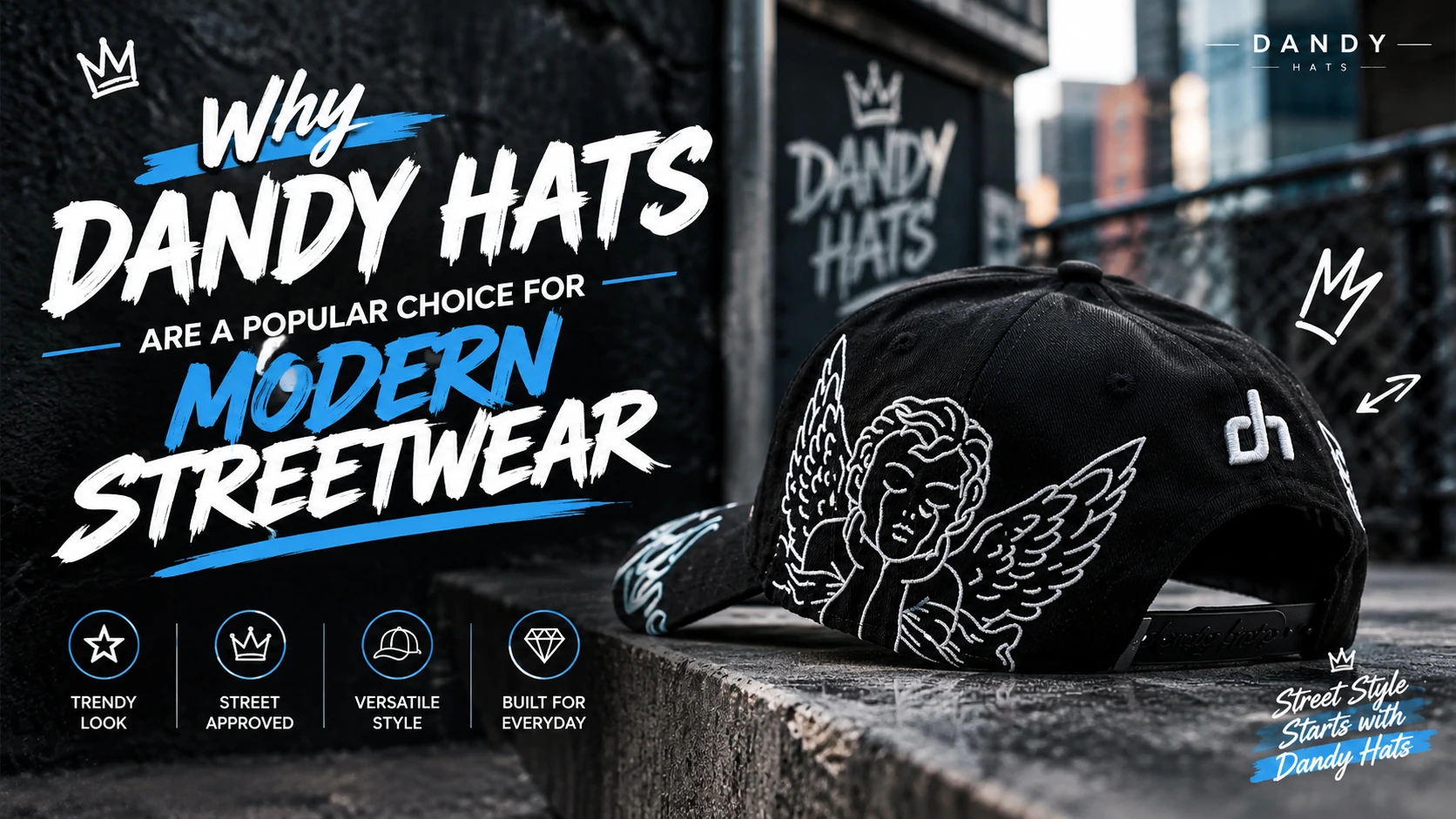
Modern streetwear developed through a mix of music, sport, skateboarding, art, and urban culture. Jeans, sneakers, hoodies, graphic shirts, and other casual pieces became everyday wardrobe staples.
Hats fitted naturally into this style because they could change the look of an outfit without requiring a complete change of clothes. A simple combination of jeans and a T-shirt, for example, could feel much more distinctive with the right piece of headwear.
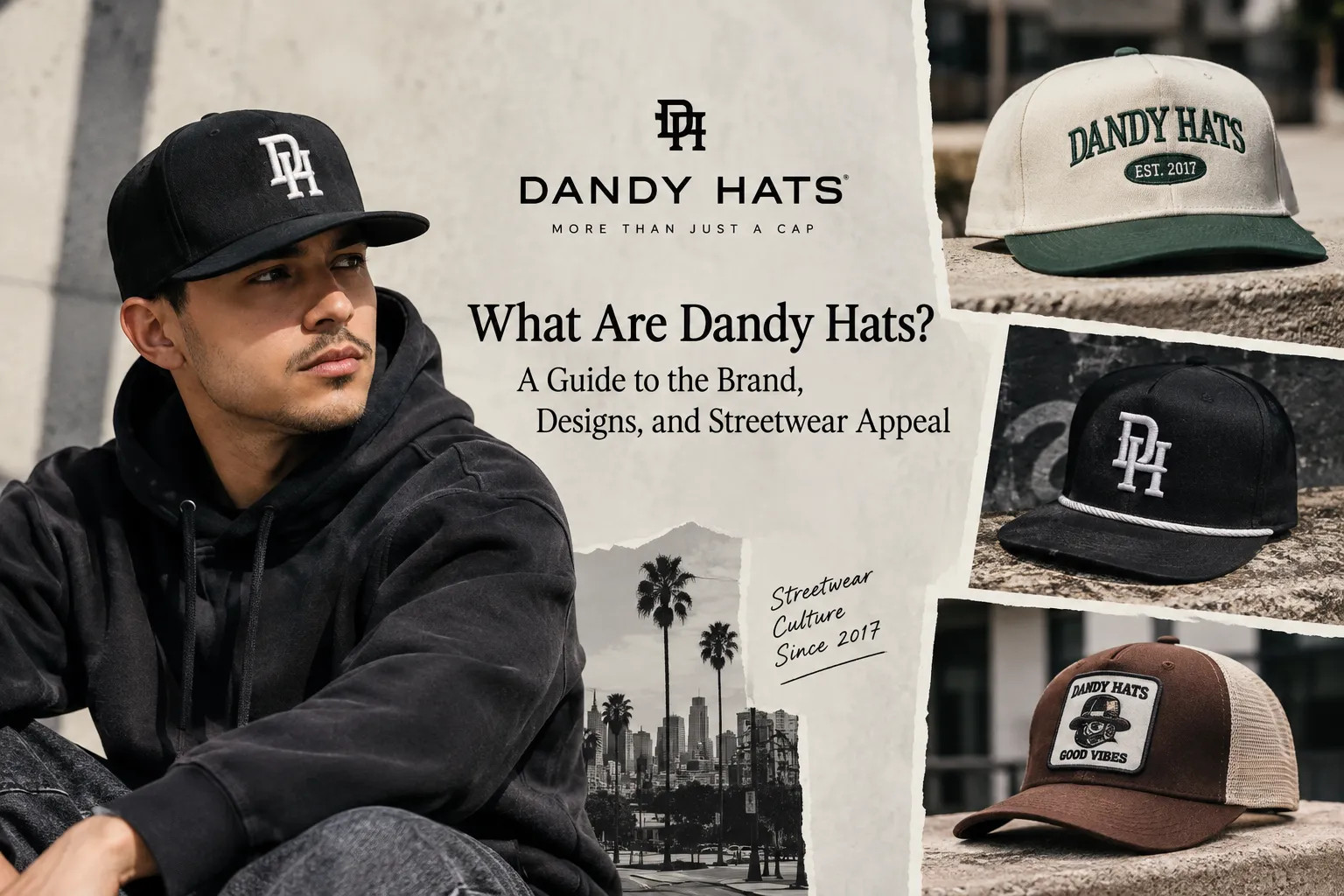
This also created space for classic influences to return in a more relaxed form. Dandy Hats can work with casual clothing while still bringing some of the structure and character associated with older hat styles.
What Makes Dandy Hats Stand Out?
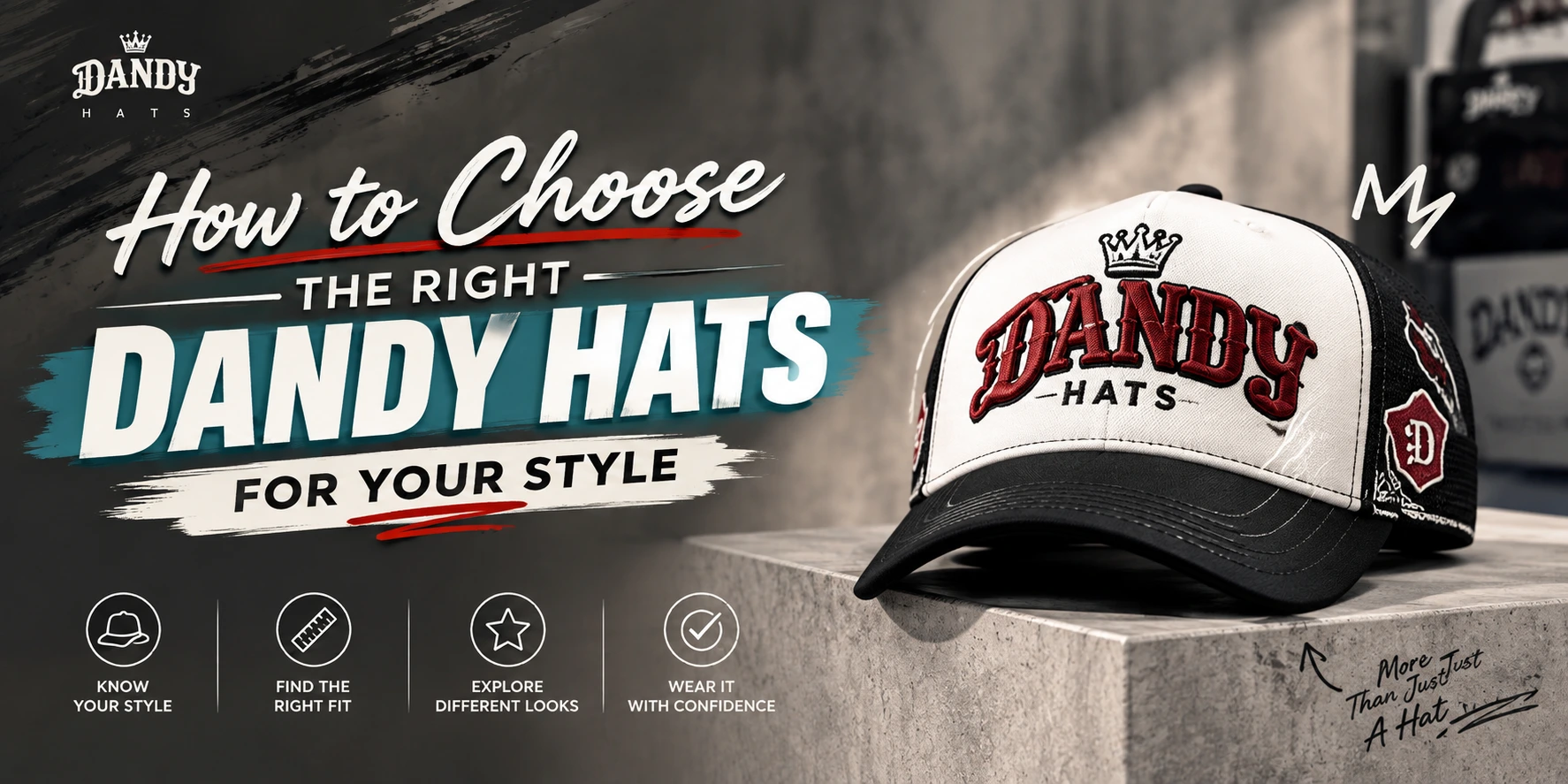
The shape of a hat is one of the first things people notice. Crown height, brim size, and the way the hat sits on the head can all change how it looks with an outfit.
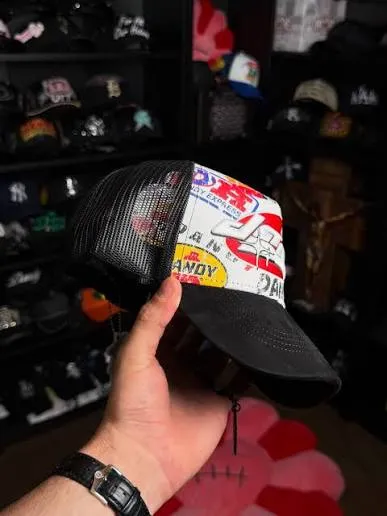
Design details matter as well. Embroidery, lettering, graphics, stitching, texture, and color can give a familiar shape a different identity without making it overly complicated.
A strong Dandy Hats design does not need to be loud. Sometimes a clean silhouette and one distinctive detail are enough to make a hat memorable.
Why Are Dandy Hats Connected With Music Culture?
Music has influenced fashion for decades, and headwear has often been part of an artist’s visual identity. A particular hat or style can become associated with a performer and then spread to fans and wider streetwear culture.
The influence also works in reverse. Musicians often take inspiration from the clothing they see around them, including styles that develop in local street and youth communities.
That connection gives Dandy Hats another place within modern fashion. A distinctive hat can be part of an everyday outfit while also reflecting the wider relationship between music, culture, and clothing.
How Can You Wear Dandy Hats Today?
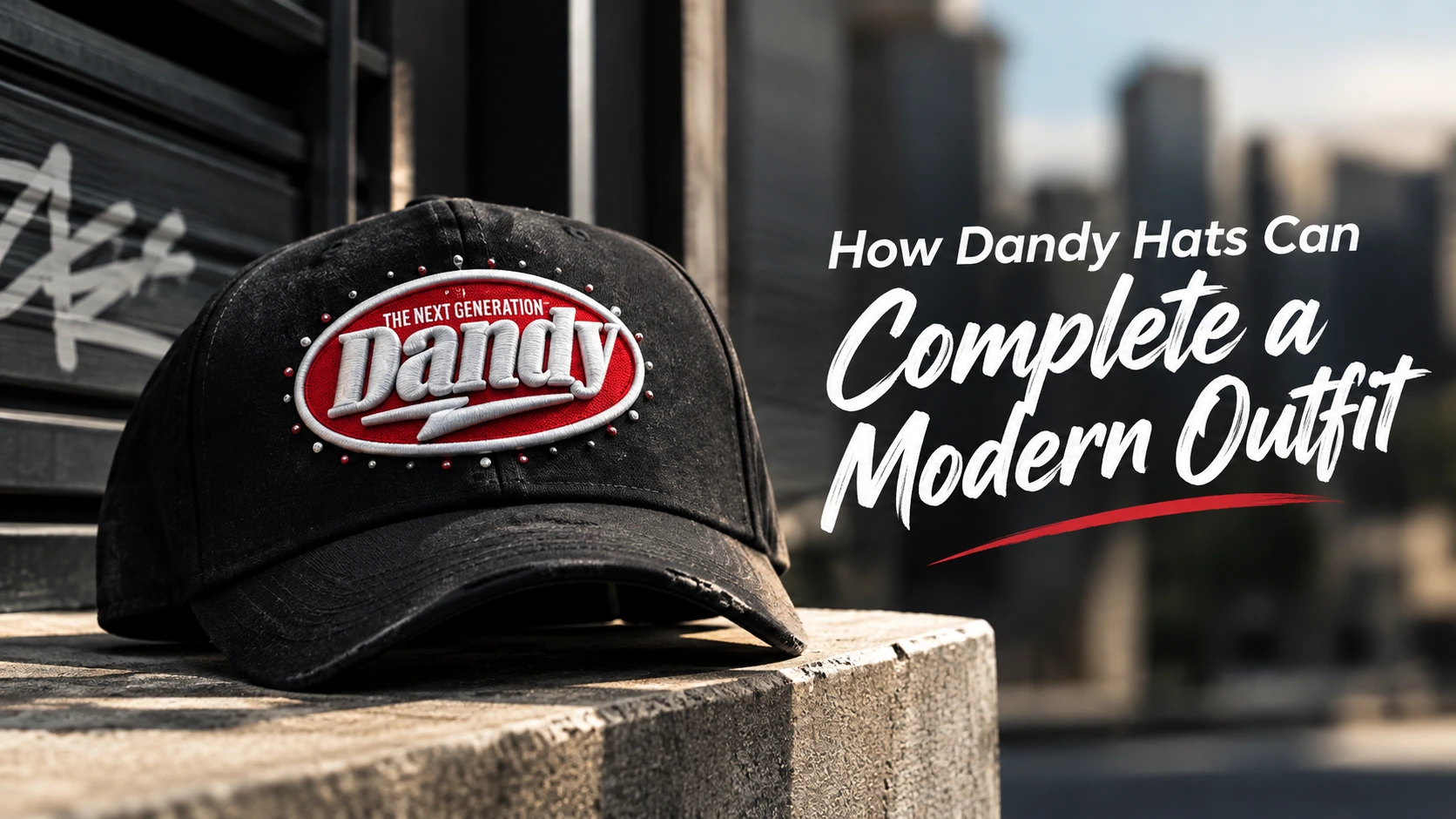
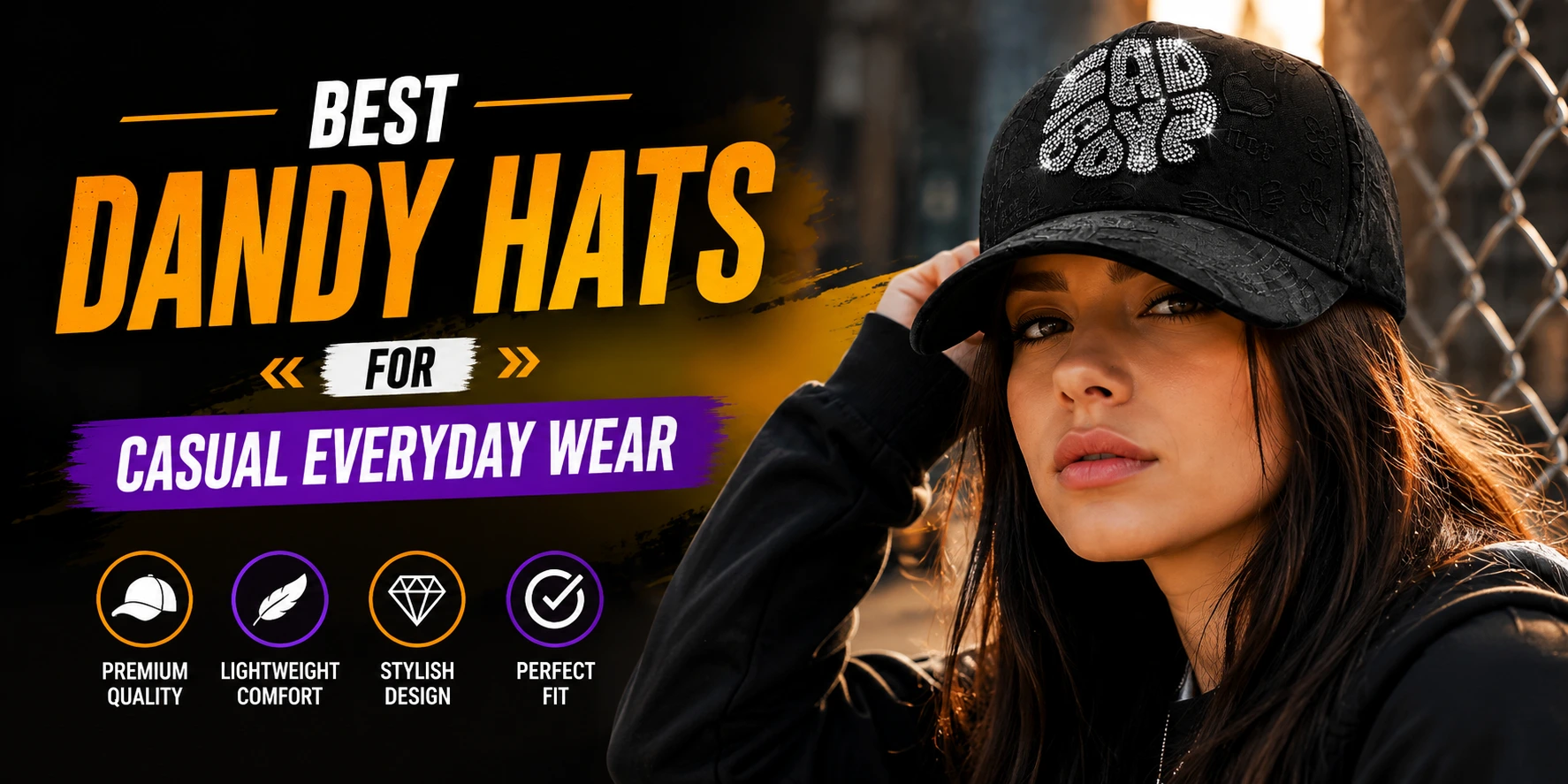
Dandy Hats do not require a complicated outfit. Jeans and a simple T-shirt provide an easy base, while sneakers can keep the look firmly in casual streetwear.
Hoodies and denim work just as well. A relaxed hoodie paired with more structured headwear creates a simple contrast, while a denim jacket or jeans keeps the outfit casual and easy to wear.
The main thing is balance. If the hat has a strong design, simpler clothing usually gives it more room to stand out.
Why Does Statement Headwear Still Matter?
Fashion trends change quickly, but a good hat can work across different outfits and seasons. It can be worn with casual basics, layered clothing, or a more considered look without requiring the rest of the wardrobe to change.
That makes distinctive headwear useful for people who want a recognizable style without relying on a single clothing trend. A hat can become a regular part of someone’s wardrobe rather than something worn only for a particular occasion.
For Dandy Hats, this flexibility is part of what makes the style relevant to modern streetwear.
How Are Dandy Hats Evolving?
Headwear continues to change as designers experiment with shapes, materials, colors, graphics, and new ways of combining classic influences with contemporary clothing.
Streetwear, music, and online fashion communities also make it easier for distinctive styles to reach new audiences. Older hat influences can appear in completely different settings without looking out of place.
That gives Dandy Hat room to evolve while keeping the attention to shape, detail, and personal style that has always been important to distinctive headwear.
Final Thoughts
The history of Dandy Hats is part of a much longer story about how hats moved from practical clothing to personal style. Dandy fashion helped establish the idea that small details could make a major difference, while modern streetwear made that idea easier to adapt to everyday clothing.
Today, Dandy Hats can be worn with jeans, sneakers, hoodies, denim, and other casual pieces without losing their distinctive character. The style has changed, but the basic appeal remains simple: a good hat can make an ordinary outfit feel more like your own.